The Blueprint of Governance
The transition of Enlightenment thought from an 18th-century intellectual movement to the "DNA" of the modern Western world is best understood as the shift from abstract philosophy to the concrete architectural blueprints of modern life. While the active period of the Enlightenment is often dated between 1685 and 1789, the principles established then remain the operating system for contemporary society.
Political Impact
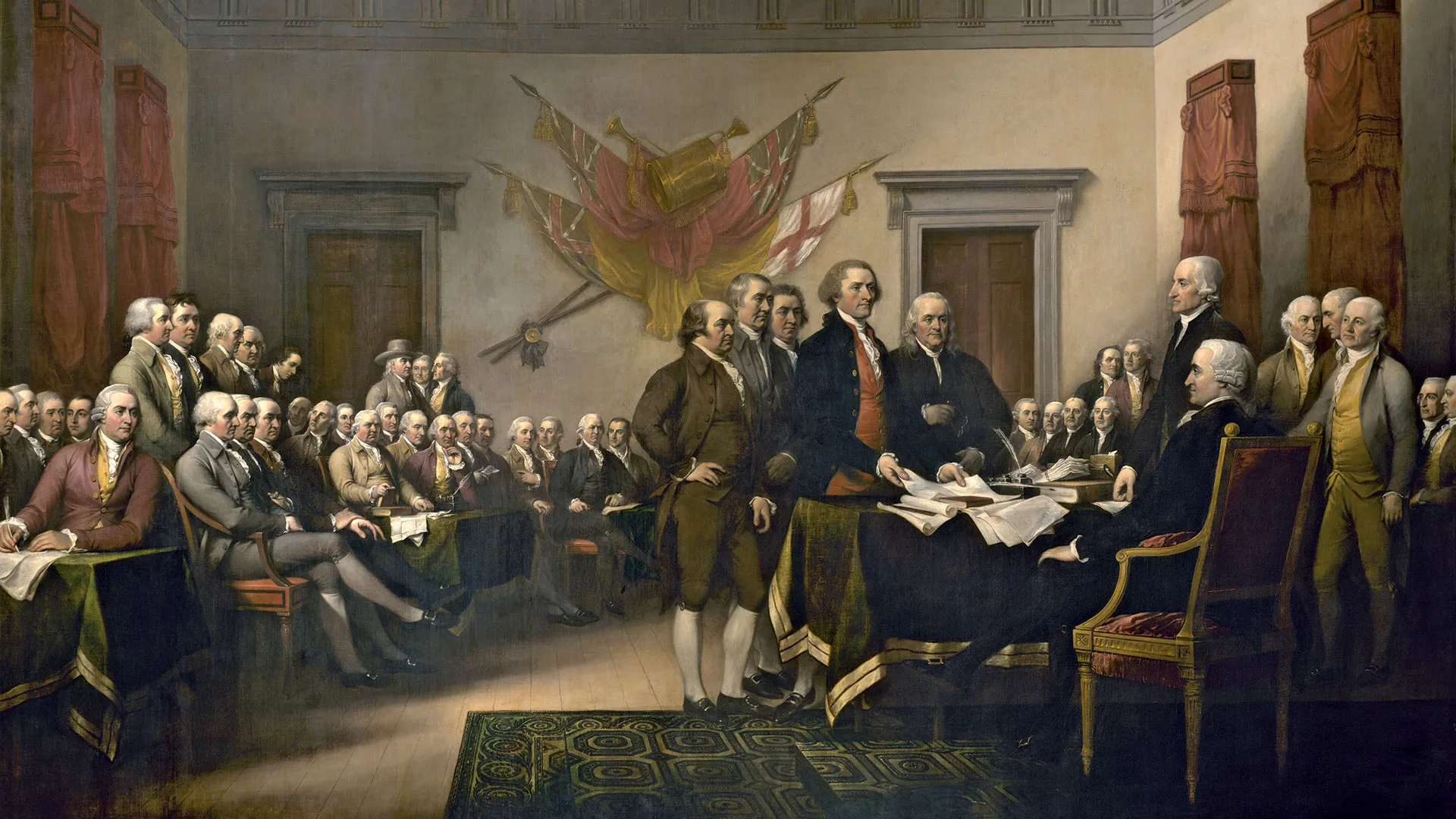
The U.S. Declaration of Independence and the French Declaration of the Rights of Man are direct "descendants" of Enlightenment philosophy. Our current system of representative democracy would not exist without the theories of the Social Contract.

Social & Cultural Impact:
The shift toward universal education during the Enlightenment marked a departure from the belief that knowledge was a luxury reserved for the clergy and the aristocracy. Prior to this period, literacy was often a tool of control, restricted to those in power or used primarily for religious indoctrination. Enlightenment thinkers, however, argued that human reason was a universal trait, meaning every individual possessed the capacity to learn and think critically.

A Diverse Perspective:
While the Enlightenment championed "universal" rights, it also sparked a debate about who was included. Figures like Mary Wollstonecraft used Enlightenment logic to argue for women's rights, laying the early groundwork for modern feminism.
Create Your Own Website With Webador