
Stories told in ages
The Enlightenment, also known as the Age of Reason, was a 17th- and 18th-century European intellectual movement that championed reason, science, and individualism over tradition, superstition, and religious dogma. It fundamentally reshaped Western thought, promoting ideas of equality, liberty, and human happiness, which directly influenced the American and French Revolutions.
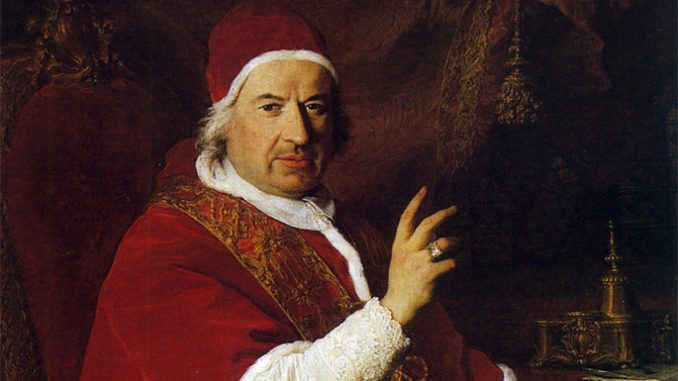
Historical Context (1450–1750)
Before the Enlightenment, European society was largely defined by "The Divine Right of Kings" and the central authority of the Church. However, following the Renaissance and the Scientific Revolution, thinkers began to apply the scientific method to human society. By the mid-1700s, this "Age of Reason" had moved beyond laboratories and into coffeehouses and salons, sparking a cultural fire that challenged every existing power structure in the Western world.
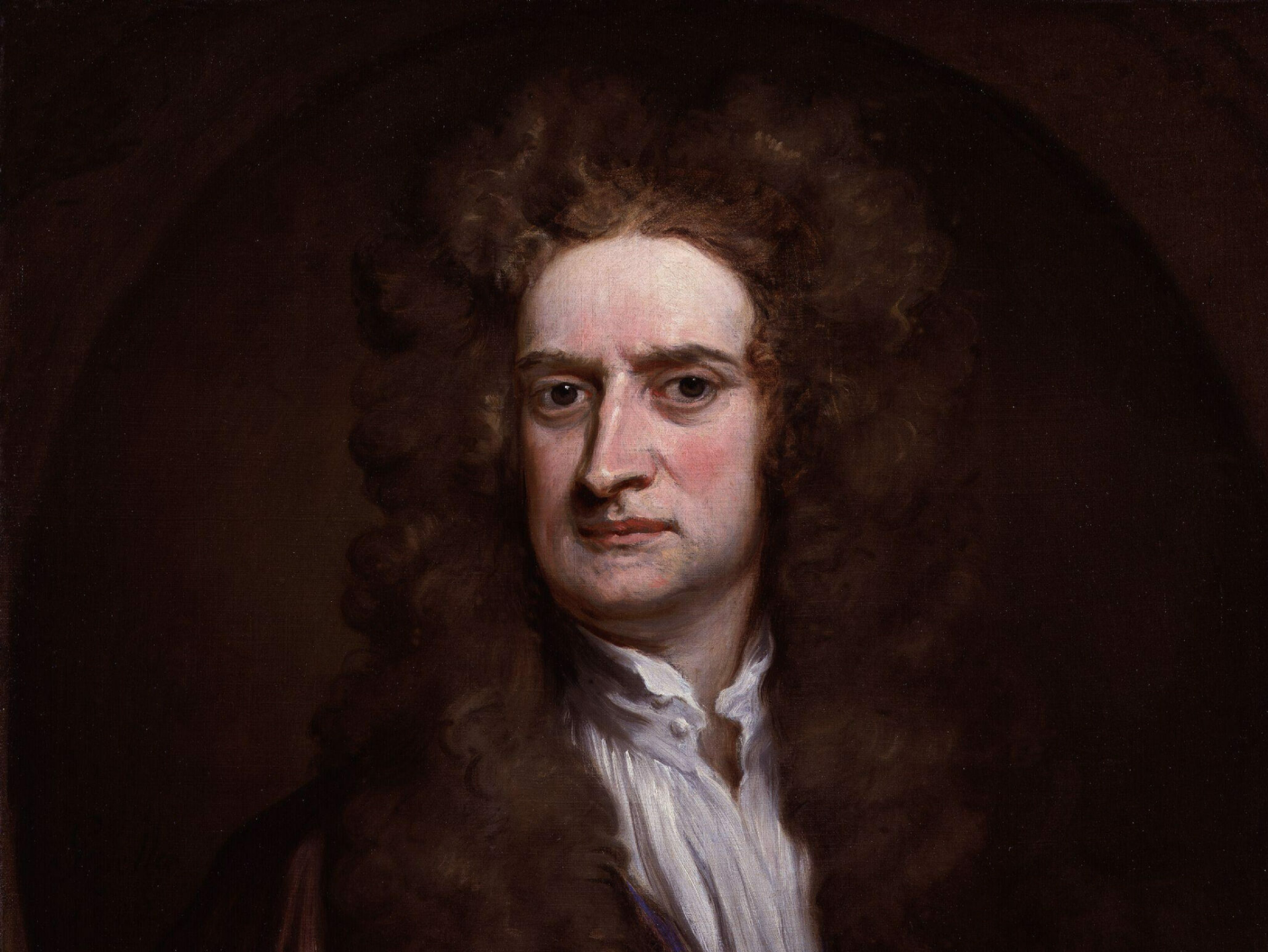
The Scientific Precedent:
he work of Isaac Newton which include the Principia Mathematica, from 1687 proved that the physical world operated by logical, discoverable laws. Enlightenment philosophers argued that if the physical world had laws, so did human society and government.
Create Your Own Website With Webador