John Locke: Natural Rights
Locke argued that every human is born with a tabula rasa (blank slate) and possesses "Natural Rights" to life, liberty, and property. He believed the government's only job was to protect these rights.

Baron de Montesquieu: Separation of Powers
In his work The Spirit of the Laws, Montesquieu argued that to prevent tyranny, government power must be divided into three branches: Legislative, Executive, and Judicial. This "checks and balances" system is the blueprint for modern democracy.

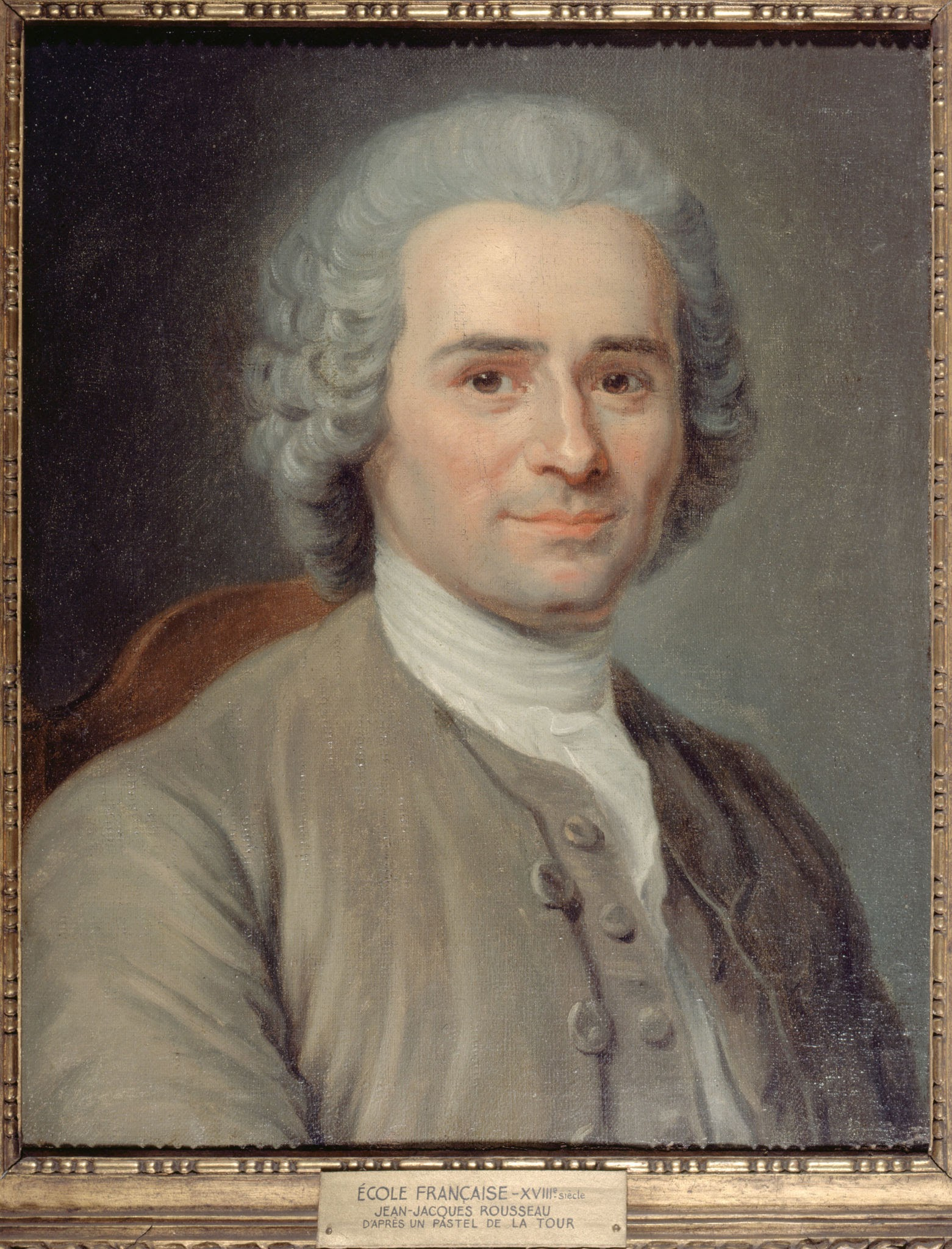
Jean-Jacques Rousseau: The Social Contract
The Social Contract Rousseau proposed that legitimate political authority comes from a "Social Contract" agreed upon by all citizens. He argued that the "General Will" of the people should be the ultimate law.
Voltaire: Civil Liberties: Beyond the ordinary
A fierce advocate for the separation of church and state, Voltaire’s writing promoted religious tolerance and the freedom of speech, famously defending the right of others to disagree with him.

Create Your Own Website With Webador